
 LOGIN
LOGIN

Invited Speakers
*Alphabetical order by last name

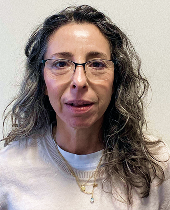
Ana Abreu Portugal
University of Lisboa
Plenary Lecture 1
November 27 (Fri), 11:10-11:40  Room A
Cardiovascular Rehabilitation: How to Optimize Women Underutilization?
TBD

Mercedes Carnethon USA
Northwestern University Feinberg School of Medicine
Plenary Lecture 6
November 28 (Sat), 13:10-13:40 Room A
Muscle Matters in the GLP-1 Era: Lifestyle, Social Determinants and the Future of Cardiovascular Prevention
Plenary Lecture 6
GLP-1 receptor agonists have transformed cardiovascular prevention, but their impact on skeletal muscle — a metabolically active tissue critical to glucose homeostasis, insulin sensitivity, and cardiorespiratory fitness — demands attention. Epidemiological evidence links low muscle mass to adverse cardiovascular outcomes independent of adiposity, yet muscle preservation remains absent from most prevention frameworks. This presentation examines the cardiovascular case for integrating resistance exercise alongside pharmacotherapy, and explores how inequities in access to both GLP-1 therapies and structured lifestyle programs threaten to widen existing disparities in cardiovascular health.
Abigail Fraser UK
University of Bristol
Symposium 3
November 27 (Fri), 14:00-15:30 Room A
The PLACENTA Project – Addressing the Need for Population-Based Placental Sciences
Plenary Lecture 5
November 28 (Sat), 11:40-12:10 Room A
Pregnancy and Lifelong Cardiovascular Health in Mothers and Offspring
Plenary Lecture 5
Women who experience pregnancy complications such as preeclampsia are at increased risk of cardiovascular diseases in later life, as are their offspring. Whether pregnancy complications are a cause of maternal and offspring CVD is still an area of active investigations. Evidence also suggests that obstetric history does not improve CVD risk stratification. The delivered placenta offers currently-untapped opportunities to identify subgroups of women and offspring at increased CVD risk later in life.

Yi-Hsin Cindy Hung Taiwan
National Taiwan University
Symposium 9
November 28 (Sat), 14:00-15:30 Room A
Beyond Referrals: Shared Care Models for Integrated Cardio-Oncology Practice

Dae Hyun Lee USA
University of Pennsylvania
Symposium 9
November 28 (Sat), 14:00-15:30 Room A
Clonal Hematopoiesis in Cardio-Oncology: From Cardiovascular Risk to Clinical Management

Alexander Lyon UK
Royal Brompton Hospital
Plenary Lecture 4
November 28 (Sat), 11:10-11:40 Room A
The 10 Laws of Cardio-Oncology
Symposium 9
November 28 (Sat), 14:00-15:30 Room A
Building a Successful Multidisciplinary Cardio-Oncology Clinic: Lessons Learned from the UK
Plenary Lecture 4
TBD
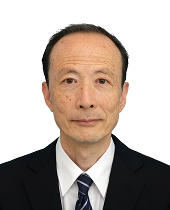
Nobuo Nishi Japan
St. Luke's International University
Plenary Lecture 3
November 27 (Fri), 13:10-13:40 Room A
A Macro-Level Assessment of Regional Disparities in Health Indicators, Including Cardiovascular Diseases in Japan
Plenary Lecture 3
Variations in mortality among prefectures were examined by sociodemographic factors using ecological panel data analysis from the late 1990s to the mid-2010s. Statistically significant differences were observed in mortality from all causes, cancer, and stroke by per capita prefectural income in men and in mortality from all causes, cancer, and heart disease by the proportion of public assistance recipients in both sexes. In addition, the findings on mortality from all causes and cardiovascular diseases by areal deprivation and population density in a 30-year follow-up of the representative Japanese population will be presented briefly.
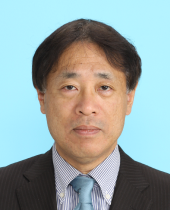
Tomonori Okamura Japan
Keio University
Symposium 1
November 27 (Fri), 09:00-10:30 Room A
Japan Atherosclerosis Society Guidelines for Prevention of Atherosclerotic Cardiovascular Disease

Jung-Im Shin USA
Johns Hopkins Bloomberg School of Public Health
Plenary Lecture 2
November 27 (Fri), 11:40-12:10 Room A
Who Benefits Next? Extending the Promise of GLP-1 Receptor Agonists and SGLT2 Inhibitors in Cardiovascular Disease Prevention
Symposium 12
November 28 (Sat), 15:40-17:10 Room B
Target Trial Emulation: Mimicking RCTs with RWD
Plenary Lecture 2
GLP-1 receptor agonists and SGLT2 inhibitors have transformed cardiovascular prevention in type 2 diabetes, but whether these benefits extend to type 1 diabetes remains unknown. Because major outcome trials excluded people with type 1 diabetes, cardiovascular outcome data are lacking and safety concerns have hindered broader use. This presentation includes a series of target trial emulation studies aimed at addressing the evidence gap in cardiovascular prevention with GLP-1 receptor agonists and SGLT2 inhibitors, focusing on type 1 diabetes— a clinically important population with significant unmet need for strategies to improve cardiovascular outcomes.







#509, Daewoo Dioville Seocho, 11, Seoun-ro, Seocho-gu, Seoul 06733, Republic of Korea
T. +82-2-6408-1505 | E. kscpmd@kscpmd.or.kr
IMCVP 2026 Secretariat #815, Gasan Urban Work Ⅰ, 135, Gasan digital 2-ro,
Geumcheon-gu, Seoul 08504, Republic of Korea
T. +82-2-6278-8594 | E. info@imcvp.org

Copyright © IMCVP 2026 Secretariat, Convenein. All Rights Reserved.